A job loss, a serious illness, a sudden large expense, or a disruption to the whole economy can upend our finances with little warning. Most of us take our health and our ability to earn a living for granted. The families I see weather these events best are the ones who prepared before anything happened. Here are the steps that make the biggest difference.
Spend less than you earn
It’s easier said than done, but it is the foundation for everything else. Set a goal of saving a percentage of every paycheck. If that feels hard, start small, then raise the percentage every few months. Look for recurring costs you can reduce, such as insurance premiums, phone and internet plans, and subscriptions you no longer use.
Know where your money goes
If you don’t have a budget, start one. Track your spending for a month or two and sort it into essential expenses, such as housing, food, utilities, and insurance, and nonessential ones, such as dining out and entertainment. Seeing the numbers is usually enough to show where you can cut back and redirect money to savings and debt reduction.
Build an emergency fund
An emergency fund lets you cover unexpected expenses without borrowing. Three to six months of essential living expenses, including your mortgage or rent and car payments, is a common target. If your income is irregular, you are the sole earner, or you are retired and living on your investments, holding more can make sense. Keep it somewhere safe and easy to reach, such as a high-yield savings or money market account.
Take control of your debt
Debt works like savings in reverse: you keep paying interest on things you bought months or years ago. Start by listing every credit card and loan with its balance, interest rate, and monthly payment. Add them up to see your total monthly debt load.
Warning signs that you may be overextended include:
- Your credit card balances keep growing.
- You pay only the minimum each month, or you miss or make late payments.
- You aren’t sure exactly how much you owe.
- You are borrowing from one lender to pay another.
- More than about 20% of your take-home pay goes to non-housing debt.
Then attack the debt:
- Pay off the highest-rate debt first. Pay as much as you can on the card with the highest interest rate and the minimum on the rest until it’s gone, then move to the next one.
- Move high-rate balances to lower-rate options. Consolidating onto a lower-rate card or loan can save a significant amount of interest. Watch out for teaser rates that jump after an introductory period, and try to pay the balance down before that happens. It is also worth calling your card companies to ask for a lower rate.
- Borrow only for things that last. The best uses of debt are things that hold or gain value, such as a home or an education. Avoid putting vacations, meals out, and other short-lived purchases on credit.
While you pay debt down, avoid taking on more. For more on how lenders look at your debt, see Deconstructing Your Debt-to-Income Ratio.
Protect your earning power
If your family depends on your income, an illness or injury that keeps you from working can be as damaging as a job loss. Disability income insurance replaces part of your paycheck if you can’t work. Before buying a policy, make sure you understand how it defines disability and how long benefits last. Life insurance does the same job for your family if you pass away.
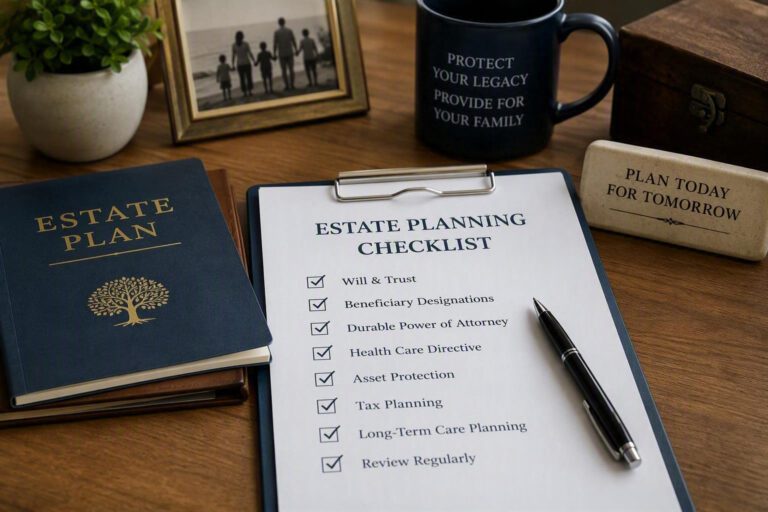
It’s also important to name someone you trust to make financial and health care decisions if you can’t. A durable power of attorney and a health care proxy are essential, and a living trust can let a trustee manage your affairs if needed.
Review your investments
Risk is part of investing. Riskier investments offer higher potential returns but can fall sharply at exactly the wrong time. Review your mix of investments and your comfort with losses at least once a year, and make sure the money you may need in the next few years isn’t invested too aggressively. Thinking of Timing the Market? explains why reacting to a downturn usually backfires.
Plan before you need to
Every crisis is different, but people who have savings, manageable debt, the right insurance, and a plan in place tend to come through them in much better shape. If you’d like help putting those pieces together, please reach out.
Content in this material is for general information only and not intended to provide specific advice or recommendations for any individual.